Voice User Interfaces: Crafting Conversations That Feel Natural
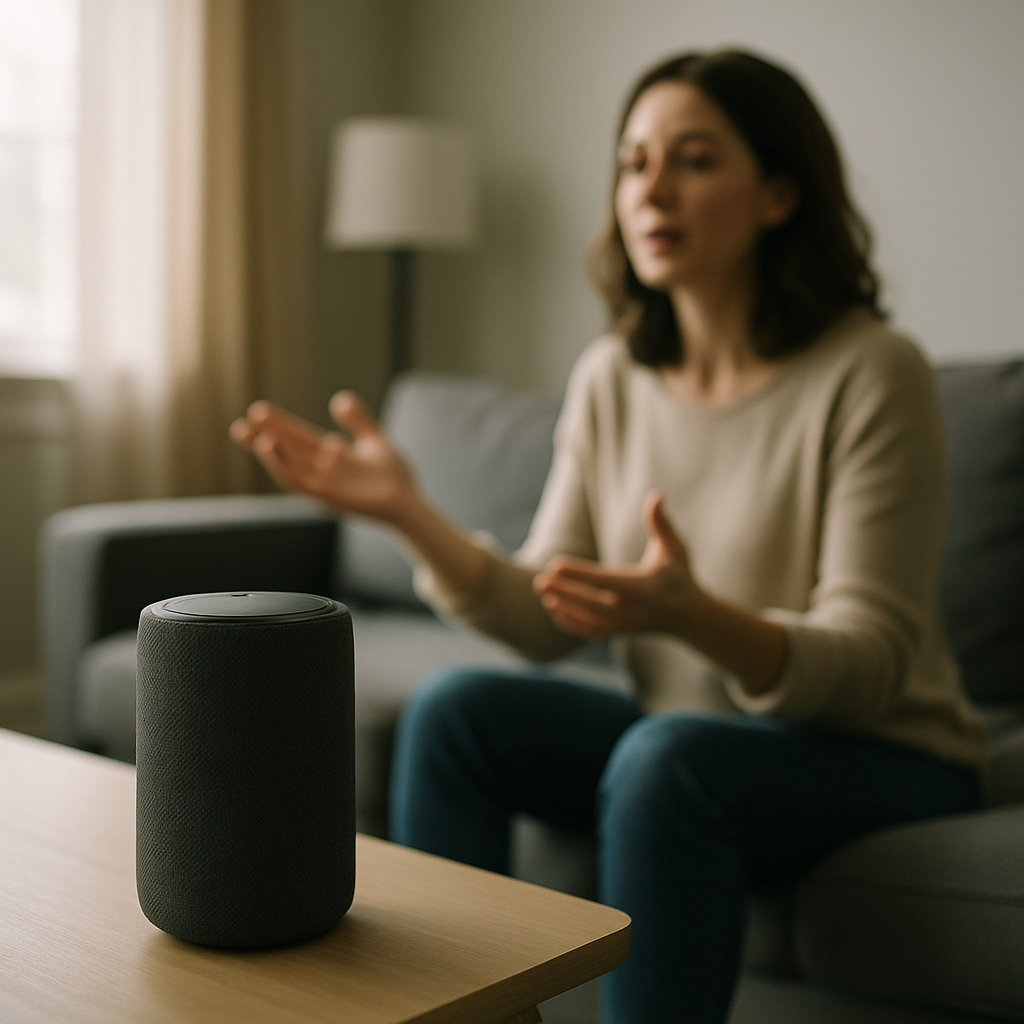
The evolution of user interfaces has taken a remarkable turn with the advent of voice user interfaces (VUIs). As we continue to integrate technology seamlessly into our daily lives, VUIs offer an intuitive and hands-free approach to interacting with devices. However, designing VUIs that facilitate natural and fluid conversations remains a complex challenge. Creating interfaces that feel human and naturally responsive requires a delicate balance of linguistic design, technological prowess, and an understanding of human psychology. This article explores how designers and developers can craft voice interactions that not only function efficiently but also resonate culturally and emotionally with users, thus enhancing the overall user experience.
The Rise of Voice Technology
Voice technology has seen significant advancements over the past decade, driving its adoption across various consumer electronics. With the introduction of Apple's Siri in 2011, followed by Amazon's Alexa and Google Assistant, voice interfaces have evolved from novel features to essential components of smart devices. These platforms, powered by sophisticated natural language processing (NLP) algorithms, have shifted consumer expectations about how they should be able to interact with technology. According to a 2022 study by Juniper Research, the number of voice assistants in use globally is expected to reach 8.4 billion by 2024, surpassing the human population.
The increasing prevalence of voice-enabled devices can be attributed to several factors. Firstly, the convenience of hands-free operation allows users to multitask efficiently, such as controlling smart home appliances, setting reminders, or searching for information without needing to manually interact with a device. Secondly, as NLP technology advances, voice assistants have become more adept at understanding context, handling complex queries, and providing relevant responses. This improved functionality has expanded their use beyond basic tasks to more sophisticated applications, including language translation and virtual meeting assistance.
However, the rise of voice technology also brings challenges. Users expect seamless and error-free interactions, which requires sophisticated backend systems capable of processing and understanding natural language with high accuracy. Inconsistencies in performance can lead to frustration, highlighting the importance of continuous improvement in voice recognition and processing technologies. As voice technology continues to mature, designers must focus on creating experiences that are not only technically sound but also emotionally satisfying.
Designing for Natural Conversations
Crafting natural conversations with VUIs involves understanding the nuances of human language and communication. Unlike textual user interfaces that primarily rely on visual feedback, voice interactions necessitate a deeper engagement with auditory elements. Designers must consider factors such as tone, pace, and the use of colloquial language to make conversations feel more human-like. This means employing conversational design techniques that mirror real-life interactions as closely as possible.
Human-centered design principles play a crucial role in shaping these interactions. By conducting user research, designers can gather insights into how different demographics communicate verbally. For instance, studies show that younger users may prefer more informal and concise interactions, while older users might appreciate more detailed and explicit responses. At Google, extensive user research informs the development of Google Assistant, ensuring it accommodates a wide range of speech patterns and preferences.
Furthermore, the concept of "turn-taking" in conversations is vital in VUIs. Users should feel that the voice assistant knows when to speak and when to listen, avoiding interruptions that can disrupt the flow of interaction. Amazon's Alexa employs a system of dynamic responses that adapt based on user input, thus maintaining a conversational rhythm. This approach not only enhances the user experience but also builds trust, as users feel their input is genuinely valued and understood by the technology.

Emotional Engagement and Trust
A critical aspect of VUIs is the ability to foster emotional engagement and establish trust with users. Unlike graphical interfaces, where design elements such as color and layout play a significant role in creating an emotional connection, VUIs rely heavily on voice tone, empathy, and context-awareness. This means voice interfaces must sound pleasant and reassuring, particularly when delivering sensitive information or handling complex tasks.
To achieve this, companies like Microsoft have invested in developing voice personas that resonate with users. For example, Microsoft's Cortana employs a friendly and professional tone, designed to evoke confidence and reliability. By creating distinct voice identities, these interfaces can project personality traits that align with the brand's values and the user's expectations.
Trust is further cultivated through transparency and reliability. Users should be informed about how their data is used and have confidence in the security measures protecting their privacy. Clear communication about these aspects can mitigate concerns over eavesdropping or unintentional data sharing. Additionally, ensuring that the technology provides consistent and accurate responses builds user confidence. Research by Stanford University highlights that users are more likely to trust and engage with a voice assistant that demonstrates reliability, reflecting the importance of maintaining high performance standards in VUIs.
Overcoming Cultural and Linguistic Barriers
An ongoing challenge in VUI design is overcoming cultural and linguistic barriers to create inclusive experiences for a global audience. Language is inherently tied to culture, and voice interfaces must adapt to a variety of dialects, accents, and colloquial expressions to be truly effective. Companies like Google and Amazon invest heavily in NLP models that accommodate this diversity, continually refining their systems to recognize and respond to language variations.
Cultural sensitivity is also paramount in VUI design. Understanding cultural nuances can help prevent misunderstandings and enhance user satisfaction. For example, the formality of language used by a voice assistant can vary greatly depending on cultural context. In Japan, a more formal and respectful tone may be required, while in the United States, a casual and friendly approach might be more appropriate. By localizing voice technologies to respect cultural preferences, companies can better serve their international user base.
Another aspect of addressing linguistic diversity is the ability to support multiple languages seamlessly. Bilingual and multilingual users should be able to switch languages effortlessly without compromising the functionality of the VUI. Apple's Siri, for instance, supports multiple languages and dialects, allowing users to interact in their preferred language while maintaining the quality of the interaction. This flexibility is crucial for expanding the accessibility and appeal of voice technologies globally.
The Future of Voice User Interfaces
The future of voice user interfaces holds immense potential as technology continues to advance and integrate into various aspects of daily life. One area of development is the convergence of voice technology with artificial intelligence to create more intuitive and context-aware interactions. AI-driven VUIs will likely become capable of understanding not just spoken words, but also the intent and emotional state behind them, enabling even more personalized and natural interactions.
Additionally, the integration of VUIs with other emerging technologies, such as augmented reality (AR) and the Internet of Things (IoT), presents exciting possibilities. Imagine a smart home system where the voice assistant not only controls your devices but also provides real-time information through AR displays. Companies like Samsung are already exploring these synergies, aiming to provide seamless, multi-modal user experiences that enhance convenience and connectivity.
As VUIs become more sophisticated, ethical considerations will also come to the forefront. Issues of privacy, data security, and bias in language models will need to be addressed to ensure user trust and acceptance. Developers and designers will need to navigate these challenges carefully, striving to create systems that are not only advanced and efficient but also fair and accountable.
Ultimately, the evolution of voice interfaces is a testament to the relentless pursuit of creating technology that simplifies human life while elevating the user experience to new heights. As we continue to push the boundaries of what's possible with voice technology, the focus must remain on crafting interactions that feel not just natural, but truly human.